
Site clearing and platform cut
Removing unsuitable material, trimming high spots, and forming a stable building platform to the required levels and falls.
Serving Bulawayo, Bulawayo Province & surrounding areas
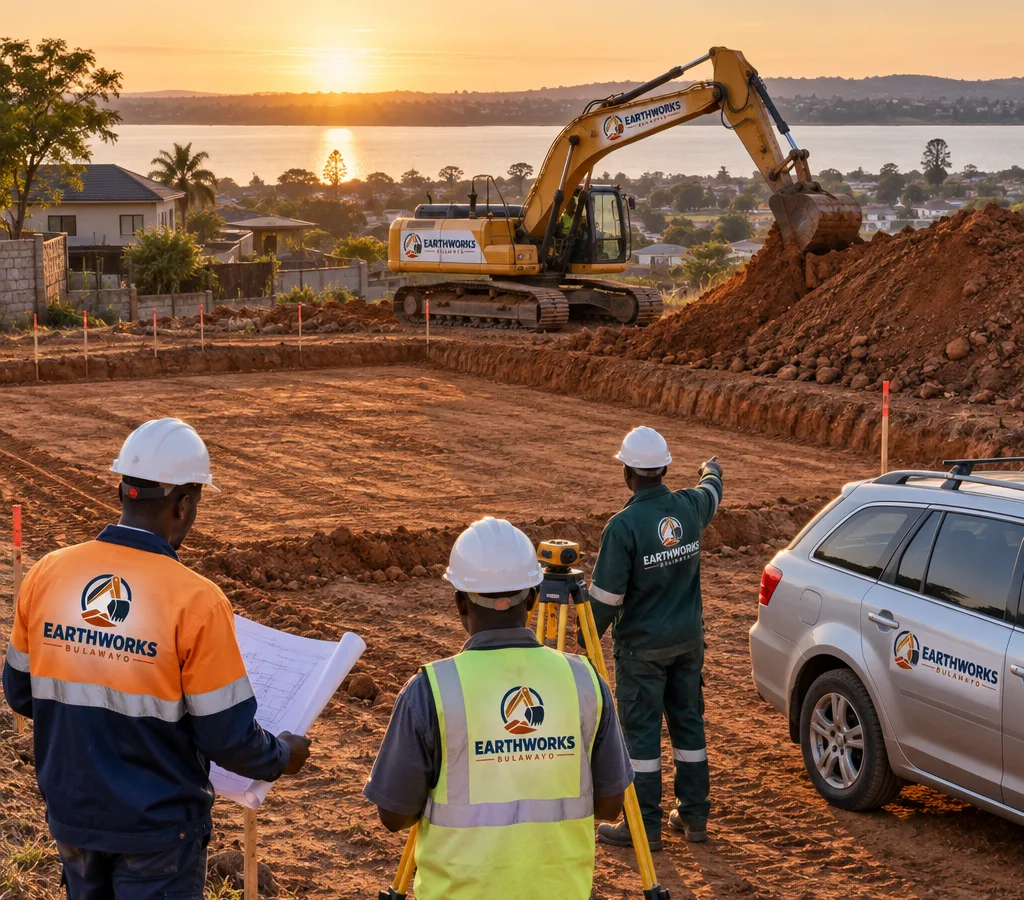
Excavation Services · Kwekwe
Practical site preparation, trenching, foundations and bulk earthmoving with the right plant and an experienced crew. Get a clear scope, safe access planning, and a job that is set out to suit what will be built next.
Build from stable ground
If you are arranging excavation services Kwekwe, the result you want is simple: correct levels, stable working ground, and trenches and foundations that match the plan. The hard part is doing it safely and accurately when access is tight, ground conditions change, or the site needs to stay usable for other trades.
Earthworks is based at 2 Bristol Road South, Bulawayo, and we take on excavation and earthworks in Kwekwe where clients need dependable planning, the right earthmovers, and careful execution. We have been operating since 1985, and Ryan McBean leads a team that focuses on practical outcomes: getting material moved, cut and fill balanced where possible, and leaving a site ready for the next step.
For clients who want a crew that understands Zimbabwean conditions and how to work methodically, Bulawayo's trusted earthmoving Zimbabwe team is the same group that plans each job around access, levels, spoil handling, and what the structure or service line needs afterwards.
A coordinated excavation scope
Removing unsuitable material, trimming high spots, and forming a stable building platform to the required levels and falls.
Strip foundations, pad bases, and stepped excavations where ground levels change, keeping widths and depths consistent for the concrete team.
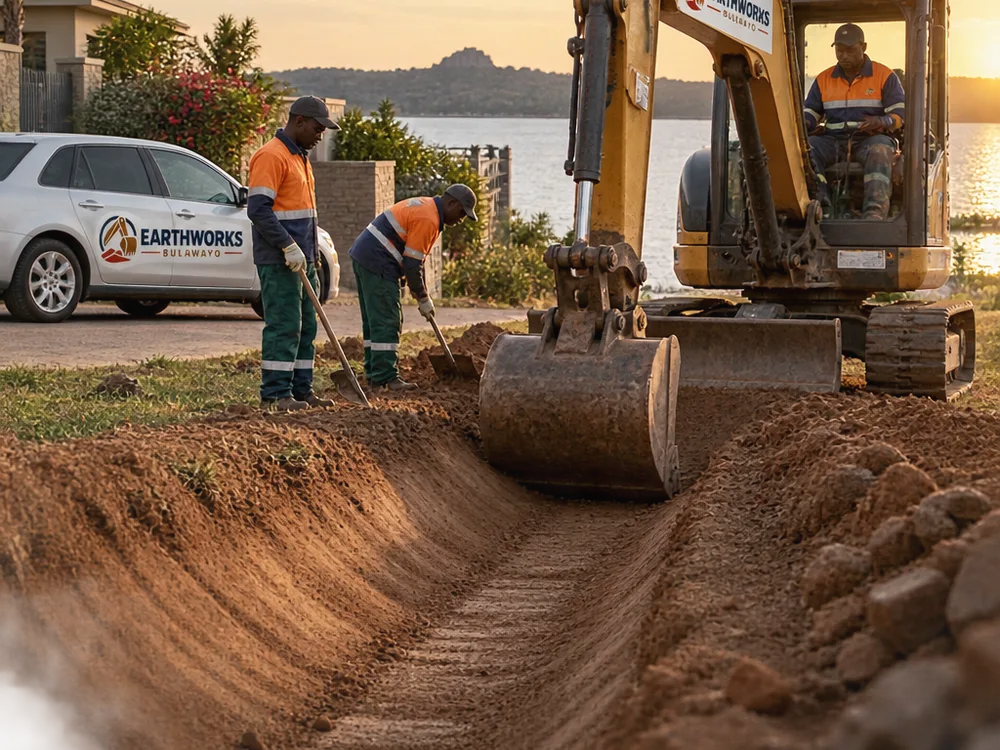
Straight, controlled trenches for water, sewer, stormwater, and electrical routes, planned around access and reinstatement.
Cut and fill for larger platforms, roads, and yards, including loading and on-site stockpiling to manage haulage efficiently.
Swales, channels, and surface shaping to direct runoff away from structures, with falls that match the surrounding ground.
Placing material back in lifts around foundations and trenches and trimming for handover, so the next trade can work without re-digging.
Control the details before digging
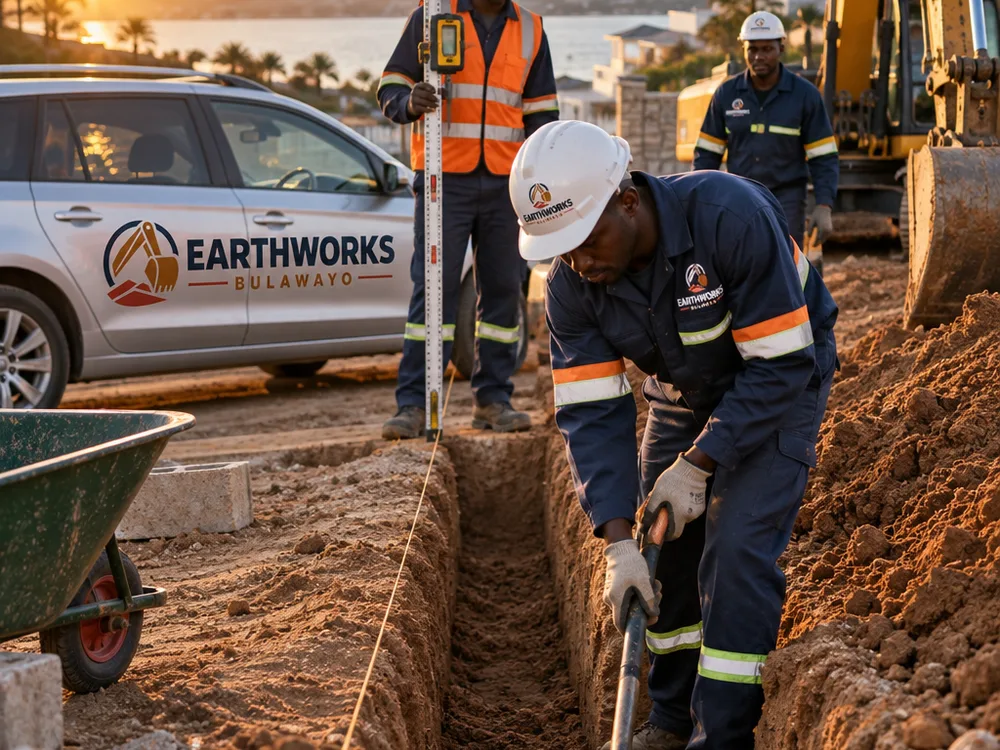
Good earthworks Kwekwe is less about moving dirt fast and more about controlling the details that affect cost and delays later.
We focus on:
If you are comparing excavation contractors Kwekwe, ask how they will protect existing services, where spoil will go, and what they need from you before they mobilise (drawings, levels, access hours, and any restrictions). Those answers tell you whether the job will run smoothly.
From inspection to handover
01
We start by confirming what needs to be excavated, the target levels, access routes for machines, and any areas that must stay undisturbed.
02
We match the method to the job: cut and fill sequence, trenching approach, spoil placement, and how other trades will work around the excavation.
03
Before digging, we establish reference points for levels and alignments so the operator can work to accurate marks rather than guesswork.
04
During excavation we keep edges stable, maintain access, and handle material logically, whether it is stockpiled for reuse or loaded out.
05
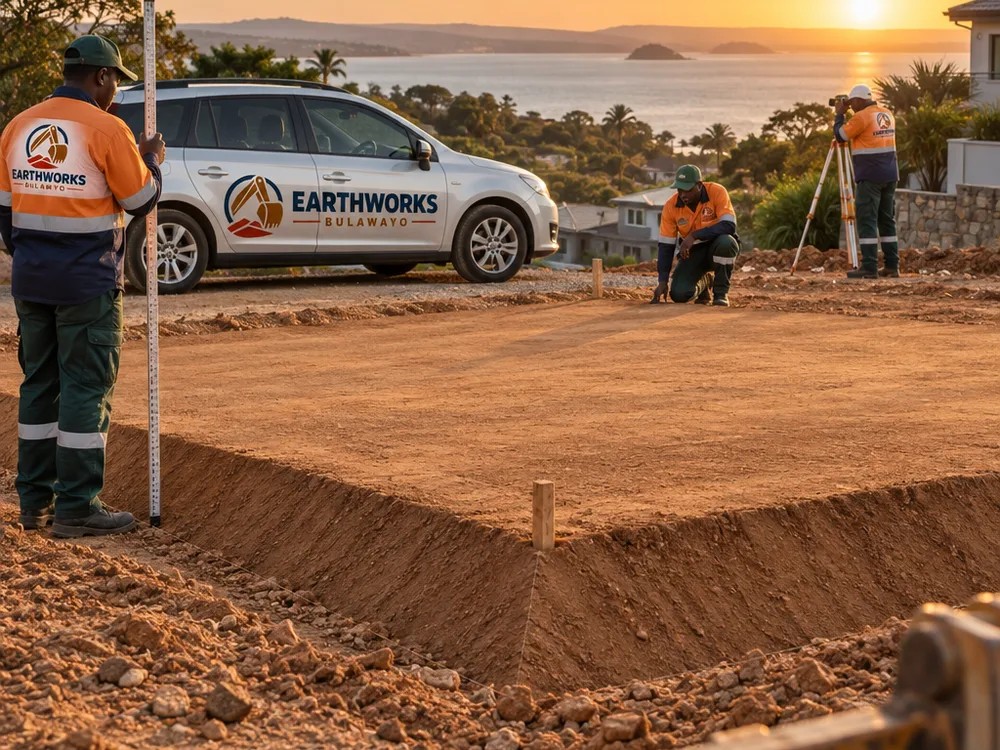
We final-trim areas that need it and backfill where specified, leaving a site that is practical for concrete, plumbing, or building crews to move straight in.
Ready for the next trade

Indicative project ranges
Excavation services in Kwekwe typically range from about USD $250 to $900+ for small, straightforward trenching or minor site prep, while larger cut-and-fill, foundation excavation for bigger footprints, or jobs requiring significant spoil removal commonly run USD $1,500 to $6,000+.
Your final cost depends on volume to excavate, access for earthmovers and trucks, ground conditions, how far material must be moved or hauled away, and whether backfill and final trim are included. The accurate price is confirmed after a site visit to check levels, access, and spoil handling.
Practical booking answers
A basic drawing or dimensions, the location and access details, and what the excavation is for is usually enough to start. For foundation excavations, the footprint and depth requirements matter; for trenching, the approximate length, depth, and where the trench starts and ends matters. If you have level information, share it, but if not we can still plan the work from a site inspection and visible benchmarks.
Yes, if access and sequencing allow it, trenching and foundations can be planned as one mobilisation. The key is keeping the site workable: we plan spoil placement so foundation areas stay clean, and we schedule trenching so it does not block machine movement or delivery access.
Small trenching or a simple foundation excavation is commonly completed in 1 day once everything is ready, while larger earthworks can run several days depending on volume and haulage. Start timing depends on plant availability and how quickly scope details are confirmed; the fastest way to avoid delays is to lock in access, working hours, and where spoil will go before mobilisation.
We can plan excavation with spoil stockpiled on site, loaded out, or a mix of both, depending on space and what material is suitable for reuse as backfill. On inspection we look at where trucks can safely enter, turn, and load, because that often controls the speed and cost of the job more than the digging itself.
Earthworks is the overall scope that gets the ground ready to build, including shaping, trenches, and final levels, while bulk earthmoving is mainly the large-volume cut-and-fill part. Many Kwekwe projects need both: bulk earthmoving to establish the platform, then more detailed excavations for foundations and services.
Yes, excavation contractors regularly deal with tight access, but the approach must be planned. We look at machine entry points, turning room, overhead and boundary constraints, and where excavated material can sit without causing rework. If the site is very confined, we will discuss practical compromises such as staged excavation and smaller stockpiles.
Plan before machinery arrives
If you want your excavation planned properly before machinery arrives, share your site location and what you are building, and we will map out the safest, most efficient way to get your levels, trenches, and foundations ready.
Scope the work clearly
Tell Earthworks what the excavation is for, where the site access is, and your ideal timing. We will come back with a clear scope, a practical sequence of work, and what we need from you before we break ground.